Atlas 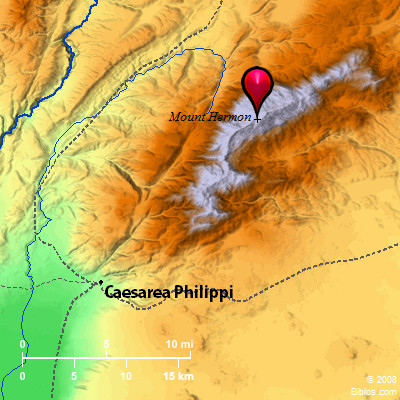 Senir (Mount Hermon) and surrounding area Maps Created using Biblemapper 3.0 Additional data from OpenBible.info Occurrences Deuteronomy 3:9 (which Hermon the Sidonians call Sirion, and the Amorites call it Senir;)1 Chronicles 5:23 The children of the half-tribe of Manasseh lived in the land: they increased from Bashan to Baal Hermon and Senir and Mount Hermon. Ezekiel 27:5 They have made all your planks of fir trees from Senir; they have taken a cedar from Lebanon to make a mast for you. Encyclopedia SENIRse'-nir (senir; Saneir): This was the Amorite name of Mt. Hermon, according to Deuteronomy 3:9 (the King James Version "Shenir").' But in 1 Chronicles 5:23 Songs 4:8, we have Senir and Hermon named as distinct mountains. It seems probable, however, that Senir applied to a definite part of the Anti-Lebanon or Hermon range. An inscription of Shalmaneser tells us that Hazael, king of Damascus, fortified Mt. Senir over against Mt. Lebanon. So in Ezekiel 27:5, Senir, whence the Tyrians got planks of fir trees, is set over against Lebanon, where cedars were obtained. The Arab geographers give the name Jebel Sanir to the part of the Anti-Lebanon range which lies between Damascus and Homs (Yakut, circa 1225 A.D., quoted by Guy le Strange in Palestine under the Moslems, 79. He also quotes Mas`udi, 943 A.D., to the effect that Baalbek is in the district of Senir, 295). Strong's Hebrew H8149: Shenir or SenirAmorite name for Mount Hermon |
    |